







Using AI to Create a Weekly Freelance Dashboard
Productivity Systems | September 10, 2026
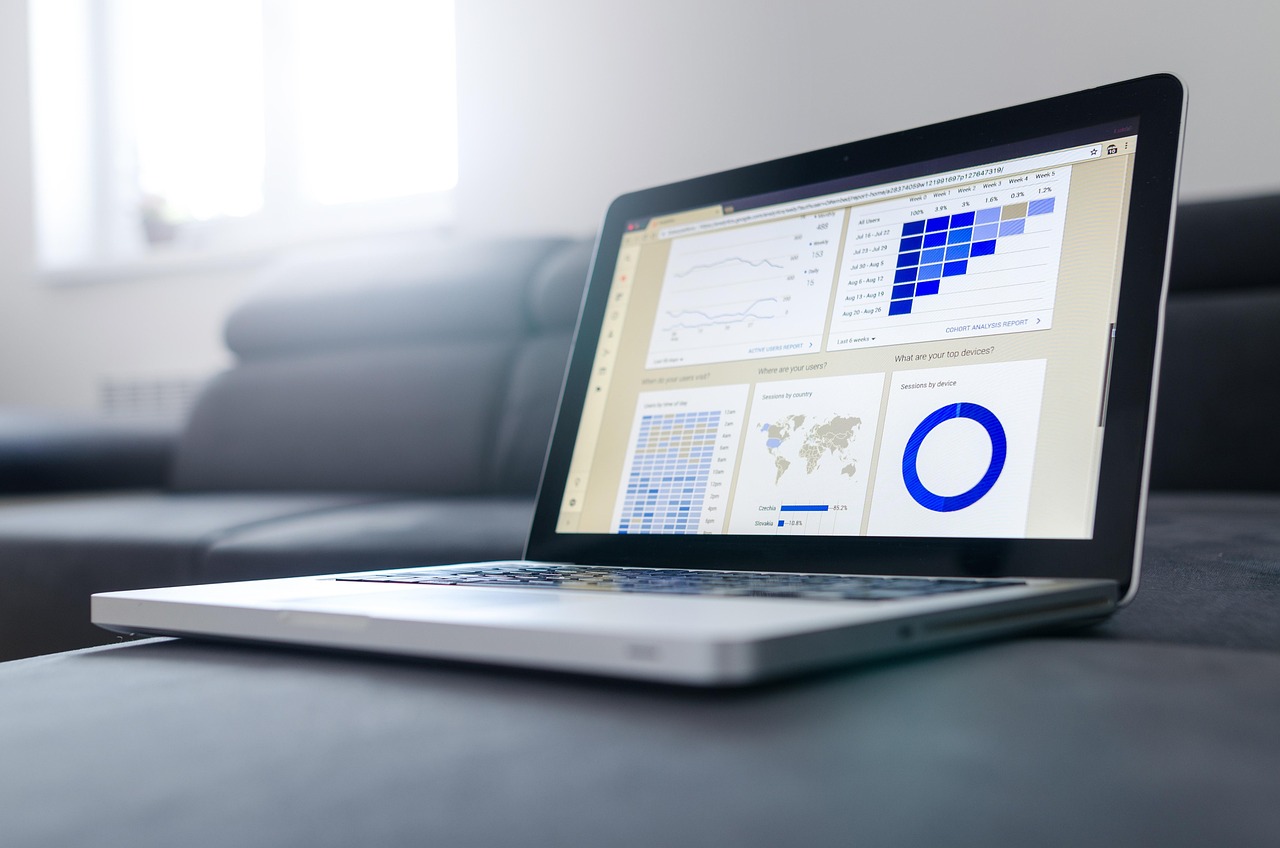
Freelancers wear a lot of hats, and one of the easiest hats to drop is the one that keeps track of everything. You've got projects in progress, invoices pending, leads to follow up on, and a vague sense that you're forgetting something important. A weekly dashboard won't solve every problem, but it will give you a clear snapshot of your business so you can stop guessing and start deciding.
The good news is that you don't need fancy software or a degree in data analysis. With a little help from AI, you can build a dashboard that takes minutes to update and actually tells you something useful.
What to Track (and What to Ignore)
The temptation with dashboards is to track everything. Don't. Pick a handful of numbers that actually influence your decisions. For most freelancers, that means: active projects, hours worked this week, invoices sent, invoices paid, and leads in the pipeline. That's it. Five numbers, updated once a week.
Here's where AI comes in. Instead of manually pulling these numbers from different apps, you can paste your raw notes, your calendar, and your invoice list into an AI tool and ask it to compile a summary. Something like, "Here's my week. Give me a quick dashboard with these five metrics and a one-sentence comment on each." It won't be perfect, but it takes five minutes instead of thirty, and that consistency is what makes it useful.
You can also ask AI to spot trends. If your hours worked is creeping up but your invoices sent is flat, that's a signal worth paying attention to. AI won't tell you what to do about it, but it will help you see the pattern before it becomes a problem.
Turning Numbers into Next Steps
A dashboard is only valuable if it leads to action. After you compile your weekly snapshot, spend five minutes asking three questions: What's working? What's stuck? What's the one thing I should do next week to move the needle?
AI can help here too. Paste in your dashboard summary and ask for suggestions. "Based on this, what should I prioritize next week?" You'll get ideas you might not have considered, and even if you don't follow the advice exactly, the act of reflecting on your numbers will sharpen your instincts.
The real benefit of a weekly dashboard isn't the data. It's the ritual. It's the habit of pausing, looking at your business honestly, and making one small adjustment. Over time, those small adjustments compound. You catch scope creep earlier. You follow up on invoices faster. You notice when you're overworking and undercharging. That's not magic; it's just paying attention, with a little help from AI to make it easier.


Smart Sparrow

Learn how to use AI to evaluate new opportunities, spot red flags early, and politely decline work that isn't right for you.